
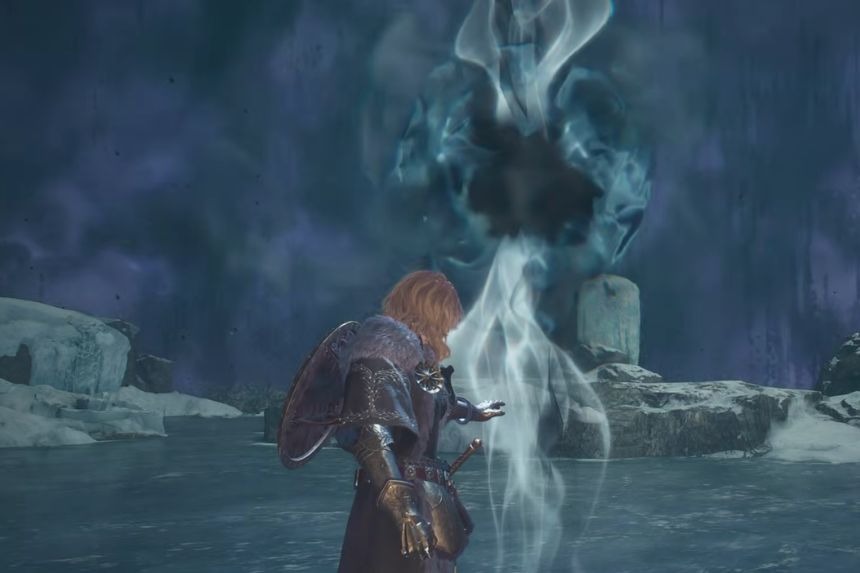
In the sequel to Dragon’s Dogma entitled Dragon’s Dogma 2: Dark Arisen, there are several decisions that you have to make when doing the Soul Searching quest. This will have an impact on your gameplay. For example, one of the decisions will be whether you would support Eir in fighting the dragon, or go straight ahead for the Arisen Soul. However, leaving Eir is not such a bad idea at all. There will be another decision to make in the quest The Castle in the Ice.
When Does This Choice Take Place
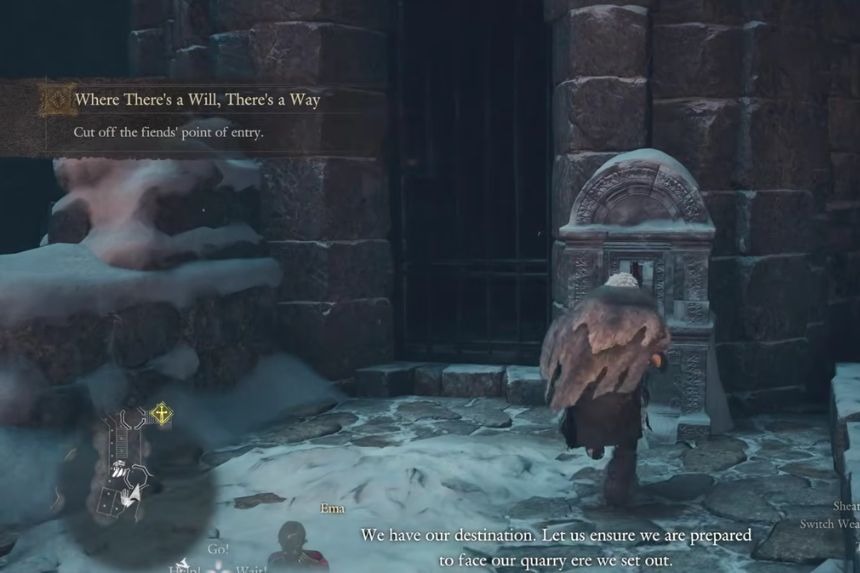
While playing Dragon’s Dogma 2: Dark Arisen, you will be required to make a decision while completing the Soul Searching mission, where a fallen dragon will attack you when you try to get to the Arisen Soul. Eir will rush in to keep the dragon busy so that you can manage to get the soul. You will also have to solve the Transcription Slab puzzle before you can reach this point in the quest.
This decision happens towards the very end of the Soul Searching questline, right after investigating Mordira Fault to find the blade embedded with the soul. It will be around this time that the Fallen Dragon will attack you, and you may be tempted to assist Eir with fighting the dragon. But, by doing this, you will end up failing your mission because time is an important factor here.
Help Eir or Find the Soul
The choice you need to make here is: leave the battle and go after the soul. She will survive the encounter and rejoin you deeper in the area, so there’s no need to worry about leaving her behind. Plus, there are no rewards that you can claim from slaying the fallen dragon anyways, so it is best to get on with the rest of the quest without her.
Right after that, you will find the entrance where the blade that is required for the quest is located. Unlock the gate and make your way over to the very edge of the area to collect the soul blade and end the quest. You will receive a handful of XP and some gold for your troubles.
This isn’t the end of the choices you can make in Dragon’s Dogma 2: Dark Arisen, as there are a couple more choices to make later on. While this particular choice doesn’t have any consequences, you might face some trouble later on if you end up picking an unconventional choice over the more obvious one.
